What Is a Business With Seven-Figure Sales Worth in Taylor?
A strong sales number is a good start, but buyers and lenders look past it to the profit the business reliably produces.
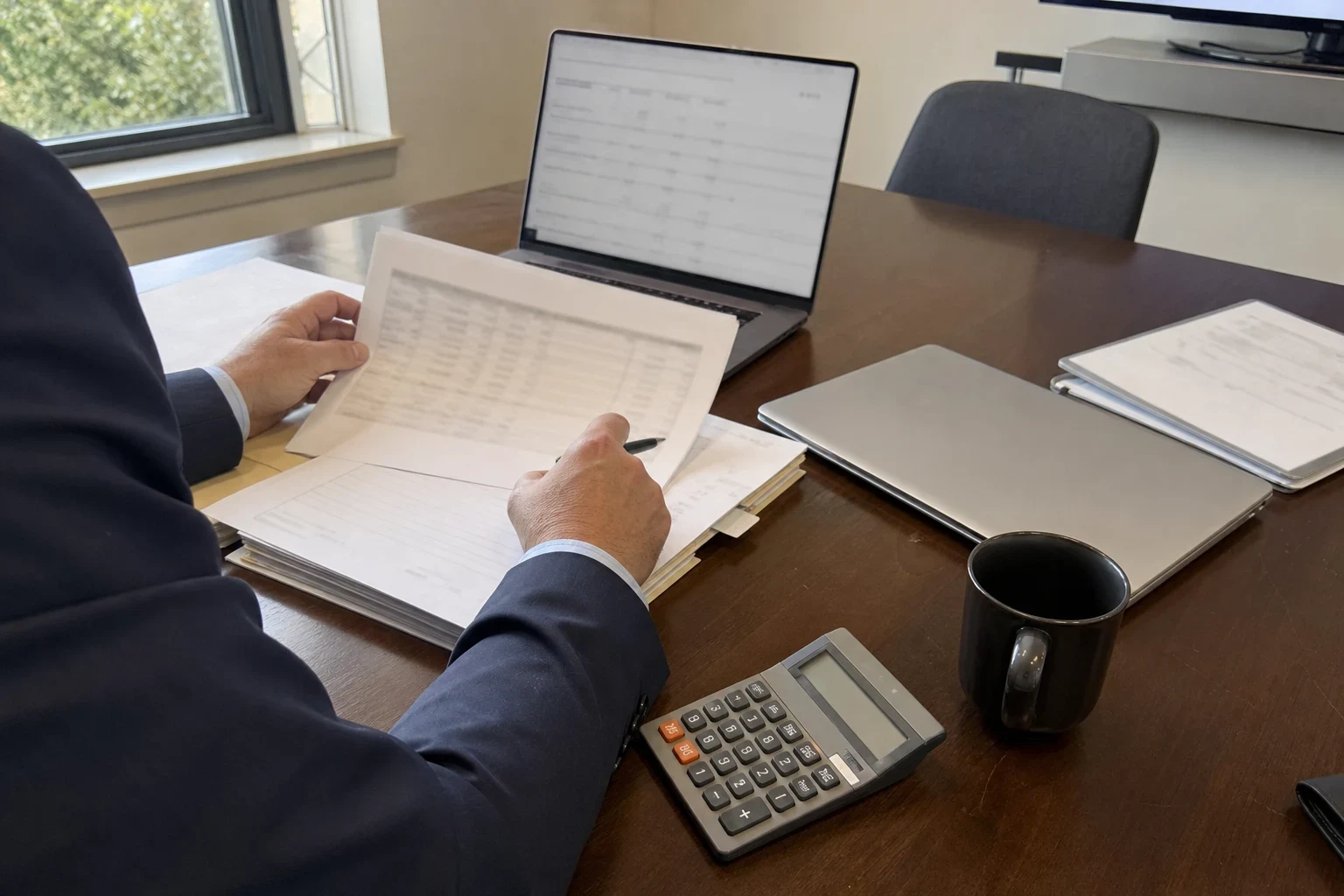
How much is a business worth with $1,000,000 in sales?
Sales alone cannot tell you what your business is worth, because buyers pay for earnings, not revenue. Two companies with the same seven-figure sales can sell for very different amounts depending on what the owner takes home, how steady that income is and how much rests on the owner. Get a free, confidential valuation by calling (512) 402-3803.
Why is revenue the wrong place to start?
Revenue shows how much money moves through the business. It does not show how much stays. A service company with lean overhead might keep a large share of what it bills, while a restaurant or a distributor with the same top line may keep far less after food, freight, payroll and rent.
A buyer is purchasing a stream of future income, and usually borrowing part of the price to do it. The question they ask is simple: after the bills are paid, what is left to cover the loan payment and pay me a living? That is the number a valuation is built on.
What are seller's discretionary earnings?
For most owner-operated businesses at this size, value starts with seller's discretionary earnings, often shortened to SDE. It is the total financial benefit one full-time owner gets from the business in a year. We begin with net profit from your tax returns and add back items that a new owner would not necessarily carry.
Each add-back has to be documented. A buyer's lender will ask to see the receipts, and an add-back that cannot be supported tends to come out of the price late in the deal, which is the worst time to lose it. We would rather be conservative at the start than have a sale stall at the closing table.
- Your own salary and payroll taxes
- Personal expenses run through the company, such as a vehicle or phone
- One-time costs, like a lawsuit or a move to a new location
- Interest on business debt that will be paid off at closing
- Depreciation and amortization, which are accounting entries rather than cash spent
What moves the multiple up or down?
Once SDE is established, it is multiplied by a figure that reflects risk. A business a buyer sees as steady and transferable earns a higher multiple. One that leans heavily on the current owner, or on one large customer, earns a lower one. We do not quote a standard multiple, because the right one depends on your industry, your trend and how the business would run without you.
- Owner dependence: do customers call you personally, or does a manager handle them
- Customer concentration: how much revenue comes from your largest accounts
- The three-year trend: rising, flat or falling earnings
- Clean, consistent books that match your tax returns
- Lease terms, including how many years remain and whether it can be assigned
- Trained staff who plan to stay through the transition
Why does a careful valuation protect your sale?
Pricing too high feels safe until the listing sits. Buyers notice a business that has been on the market for months, and a price the earnings cannot support will not pass a lender's review, so even an eager buyer cannot close. Pricing too low hands value to someone else that took you years to build.
A careful valuation is the first safeguard in a sale. It sets a price that holds up when a buyer's accountant goes through the files, and it lets you decide whether to sell now or spend a year or two strengthening the numbers. If you are leaning toward the second path, our exit planning work starts from that same valuation.
Confidentiality matters here too. We review your financials privately, by phone, video or at our office, so employees, customers and competitors in Taylor and nearby towns do not learn about a possible sale before you are ready.
What should you gather before a valuation?
You do not need everything perfectly organized to start a conversation. Having these on hand lets us give you a firmer answer sooner.
- Business tax returns for the last three years
- Profit and loss statements and balance sheets, including year to date
- Your current lease and any renewal options
- A list of major equipment and its condition
- An inventory estimate, if you carry stock
- A short note on your role and hours each week
More questions owners ask about value
- Is inventory included in the sale price?
- It is often handled separately. Many deals set a price for the business and then add inventory at cost, counted close to the closing date so neither side guesses.
- What if I own the building the business operates in?
- The real estate is usually valued on its own and can be sold with the business or leased to the buyer. Our business and property sales service covers how to structure either option.
- Does a valuation cost anything?
- We offer free, confidential valuations. If you decide to list, you pay nothing up front, with no retainers and no hidden fees, because we only get paid when the seller does.
- Will my employees find out I asked?
- Not from us. The conversation and your financial documents stay private until you choose otherwise.

Find out what your earnings support
One phone conversation gets you a free, confidential valuation based on your real numbers, along with a plain explanation of what would raise the price before you sell.